
What it takes to bring
natural building materials to market
Zagreb, 11.09.2026
At the ReBORN experience exchange in Croatia, the Steinbeis Danube Center examined how Europe’s emerging bio-based construction industry is turning regional resources into commercially viable products.
A promising material is only the beginning. Before a bio-based building product can gain a foothold in construction, manufacturers need consistent production, reliable supplies and documented performance. Architects need specifications they can work with. Contractors need installation methods that make sense on site.
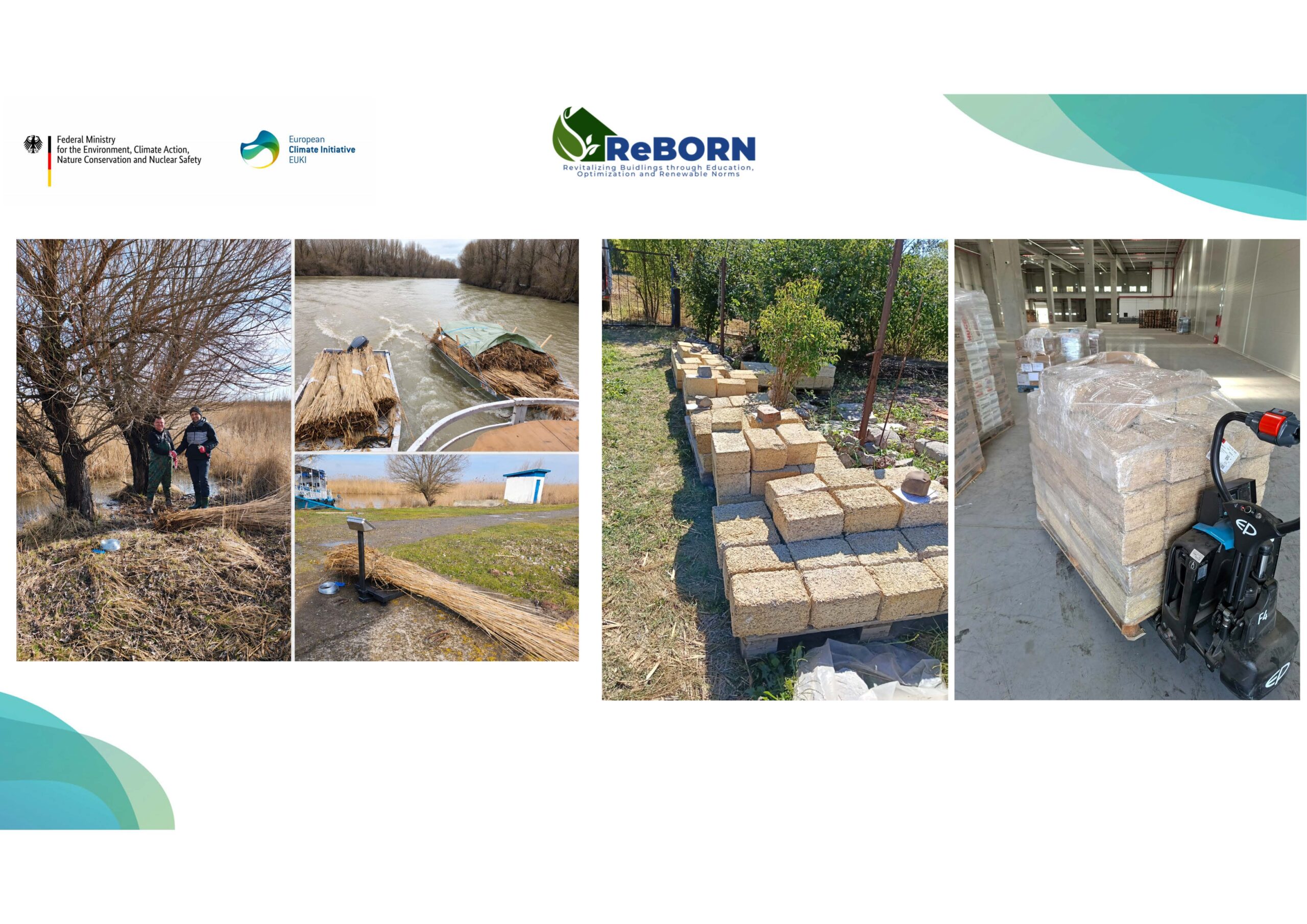
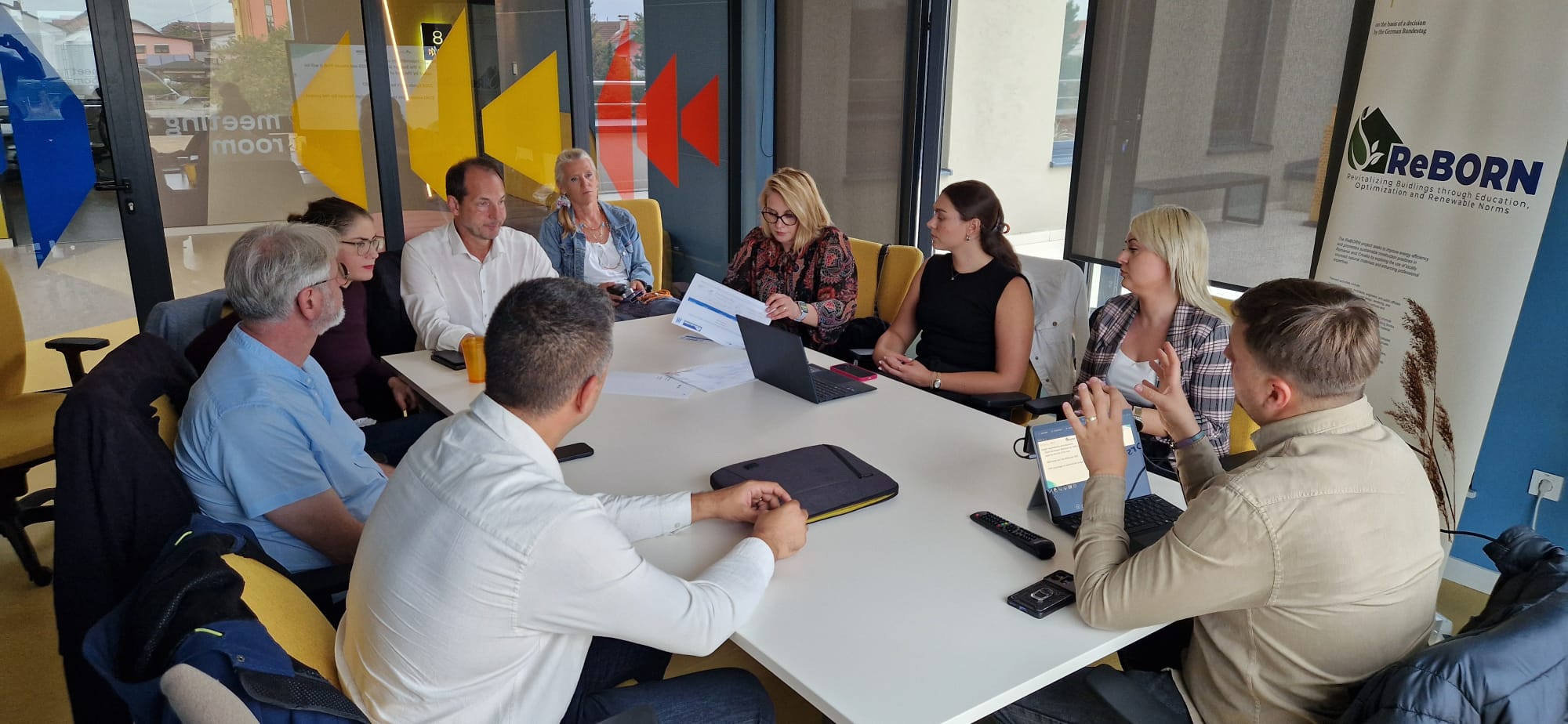
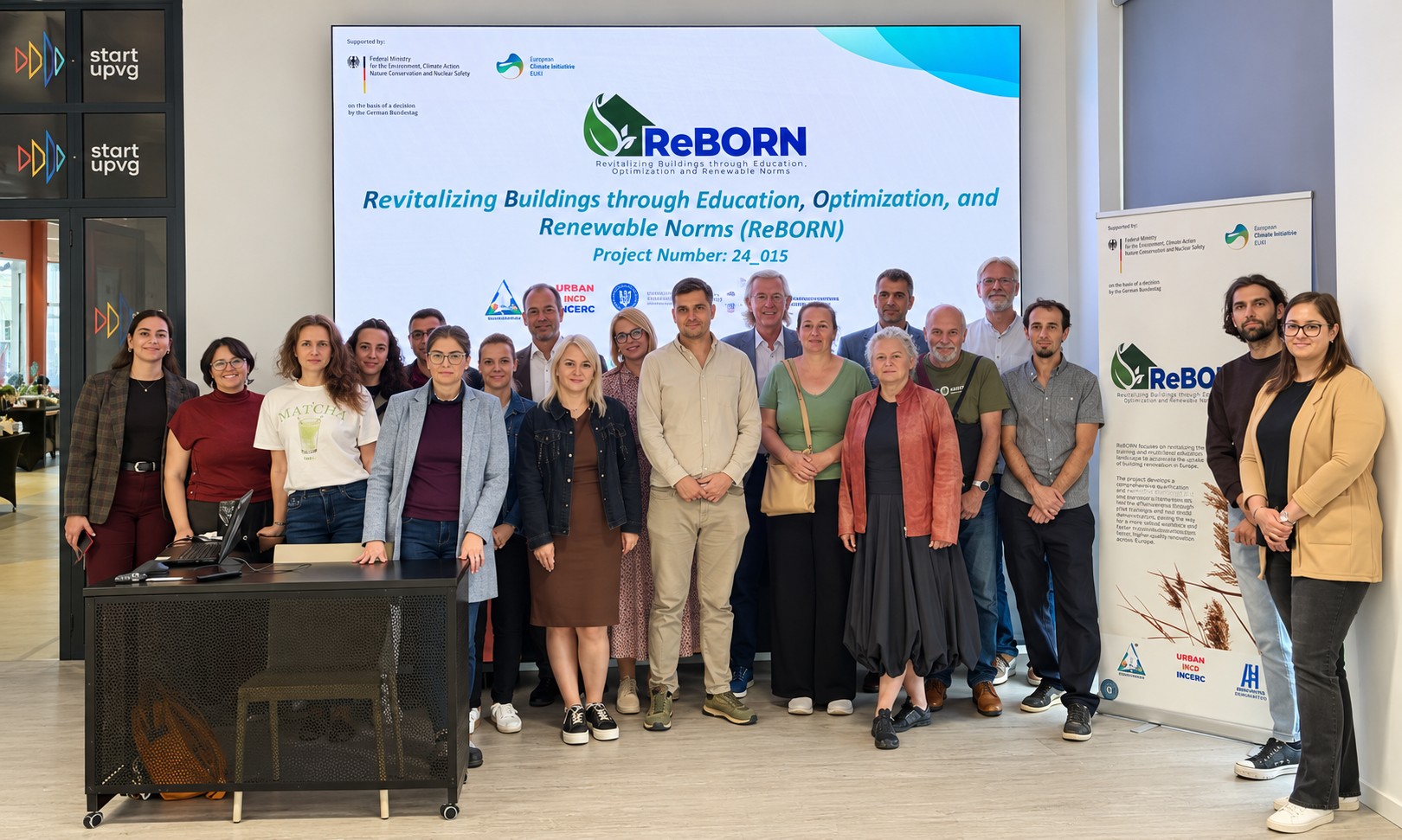
These practical questions shaped the Steinbeis Danube Center’s contribution to the ReBORN experience exchange on 11 September 2026 in Velika Gorica, near Zagreb. Held at the Startup VG business incubator, the event brought together researchers, businesses and public-sector representatives to explore natural building materials and the transition from nearly zero-energy to zero-emission buildings. Jürgen Raizner and Roxana Boboruta represented the Center.
Supported by the European Climate Initiative (EUKI), ReBORN connects partners in Romania, Croatia and Germany. Its work combines the development of materials using local renewable resources, including reed and hemp, with professional training and the exchange of practical experience.
European examples reveal different routes to market
In his presentation, “From Natural Fibres to Building Solutions: Selected European Examples and a Look Ahead”, Raizner drew on the Center’s mapping of European research, products and business experience. The work covers 51 project and research cases, alongside 22 detailed company and technology profiles from 11 countries. It also identifies relevant organisations, trade fairs and conferences.
The purpose is to give ReBORN a clearer view of what already exists, how far different approaches have progressed and where cooperation could accelerate development. A research prototype and an industrially manufactured product offer different lessons. Understanding that distinction is essential when considering what can be transferred to another region or application.
Two examples illustrated the point.
Austria’s ParaStruct is developing BioScreed, a floor screed made from sawmill residues and a mineral binder. Its relevance extends beyond the use of a renewable feedstock. The product is designed for familiar construction processes, using standard equipment and established screed-laying methods. That compatibility can lower barriers to adoption, while testing, technical approvals and product documentation remain important parts of its route to market.
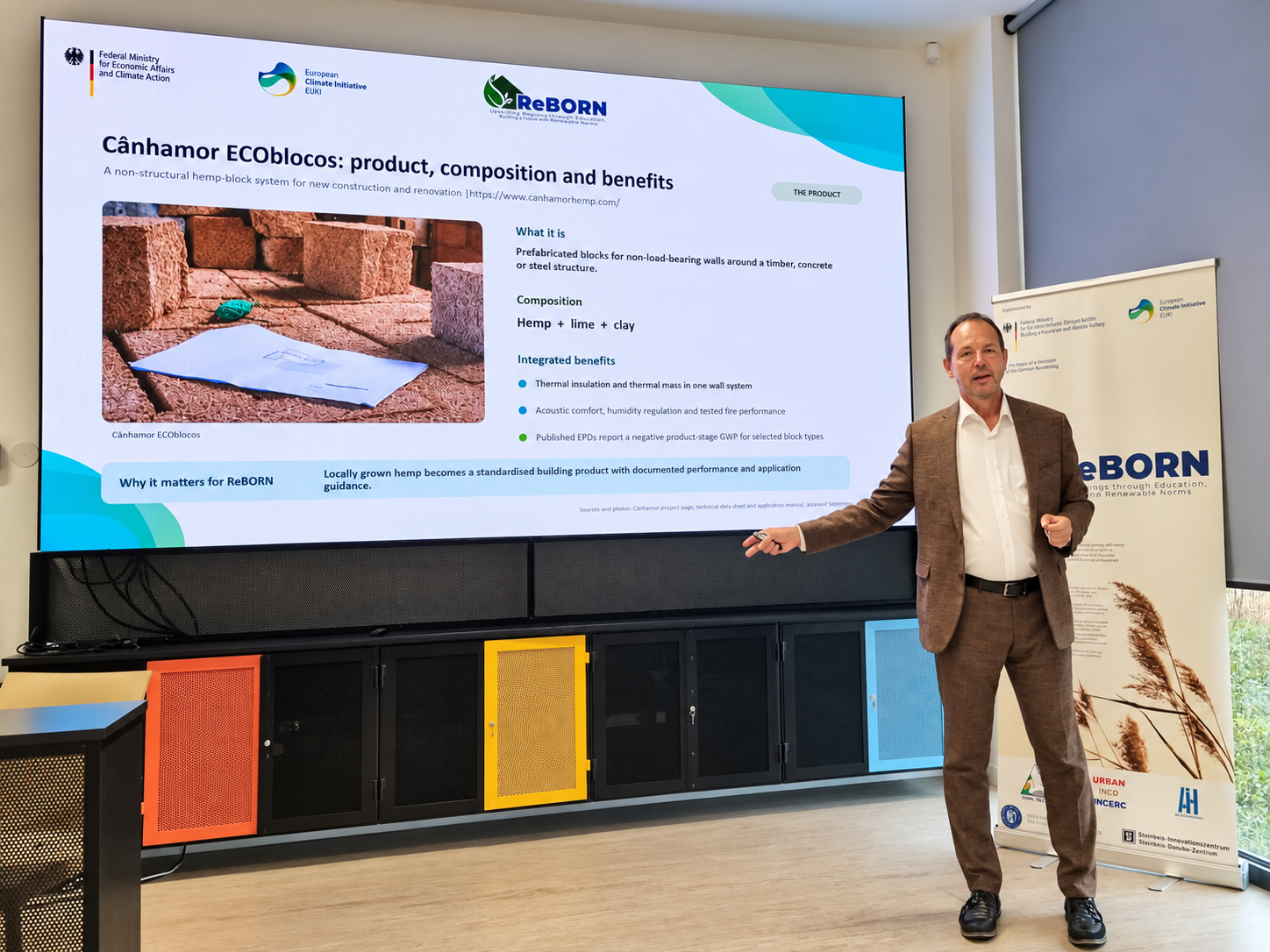
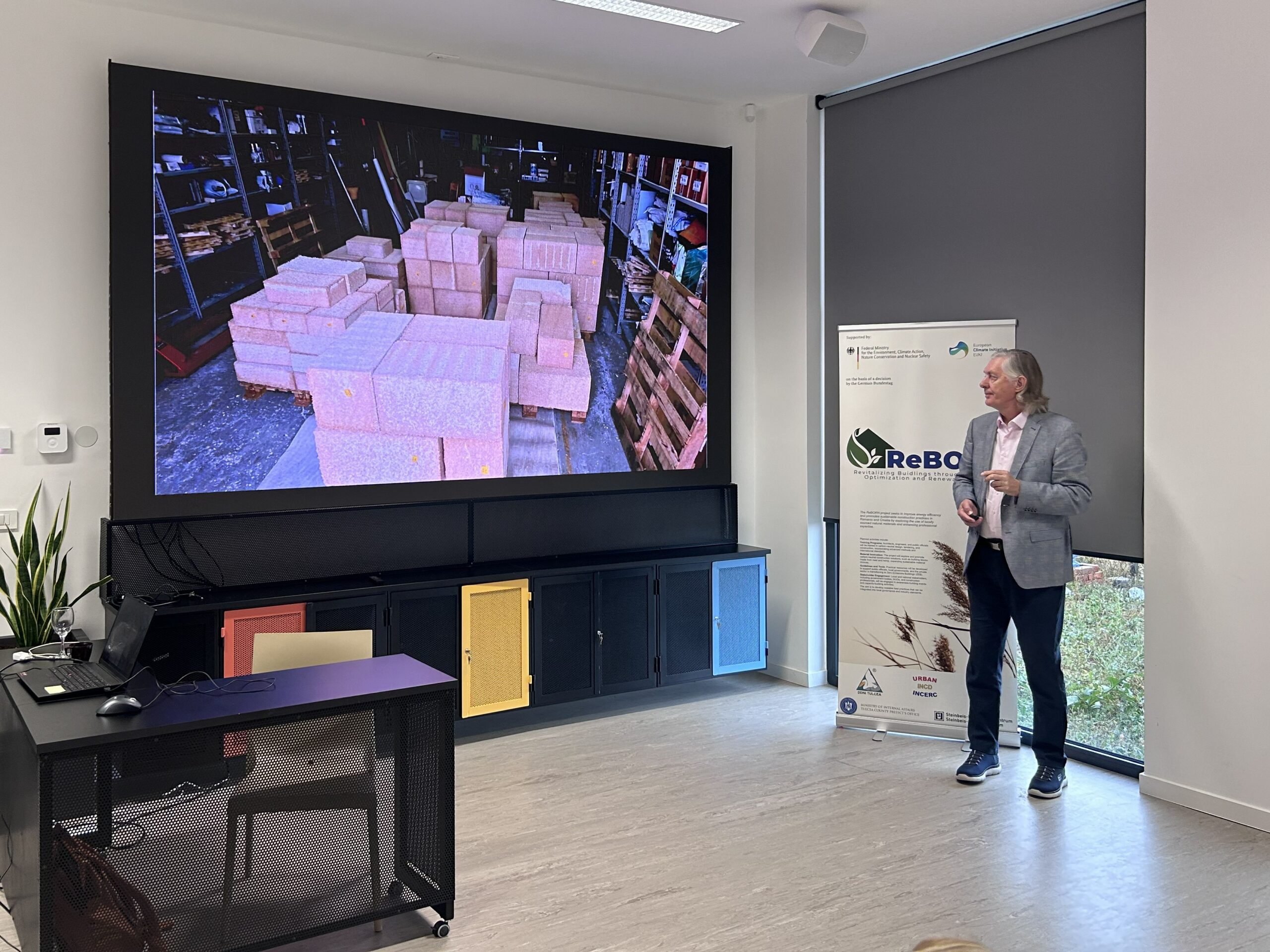
Portugal’s Cânhamor illustrates a more industrialised model. Its production system links regional hemp supply with processing and automated manufacture of non-load-bearing masonry blocks. Technical documentation, environmental product declarations and installation guidance help designers and contractors put the product to use.
Together, the examples show why product development cannot be separated from commercialisation. A material needs a clearly defined application, a viable supply chain and evidence that it performs as required. Ease of use on a building site can matter as much as an innovative formulation.
Testing the materials and building the supply chains
Other presentations brought these questions closer to ReBORN’s own development work.
Alexandru Postu of Ecosystem Design presented the production and early testing of ReBORN material prototypes. His account covered the preparation of plant-based raw materials, trials with different mixtures, adhesion testing and drying checks. It illustrated the work required to turn an initial formulation into a product that can be manufactured consistently and subjected to further technical assessment.
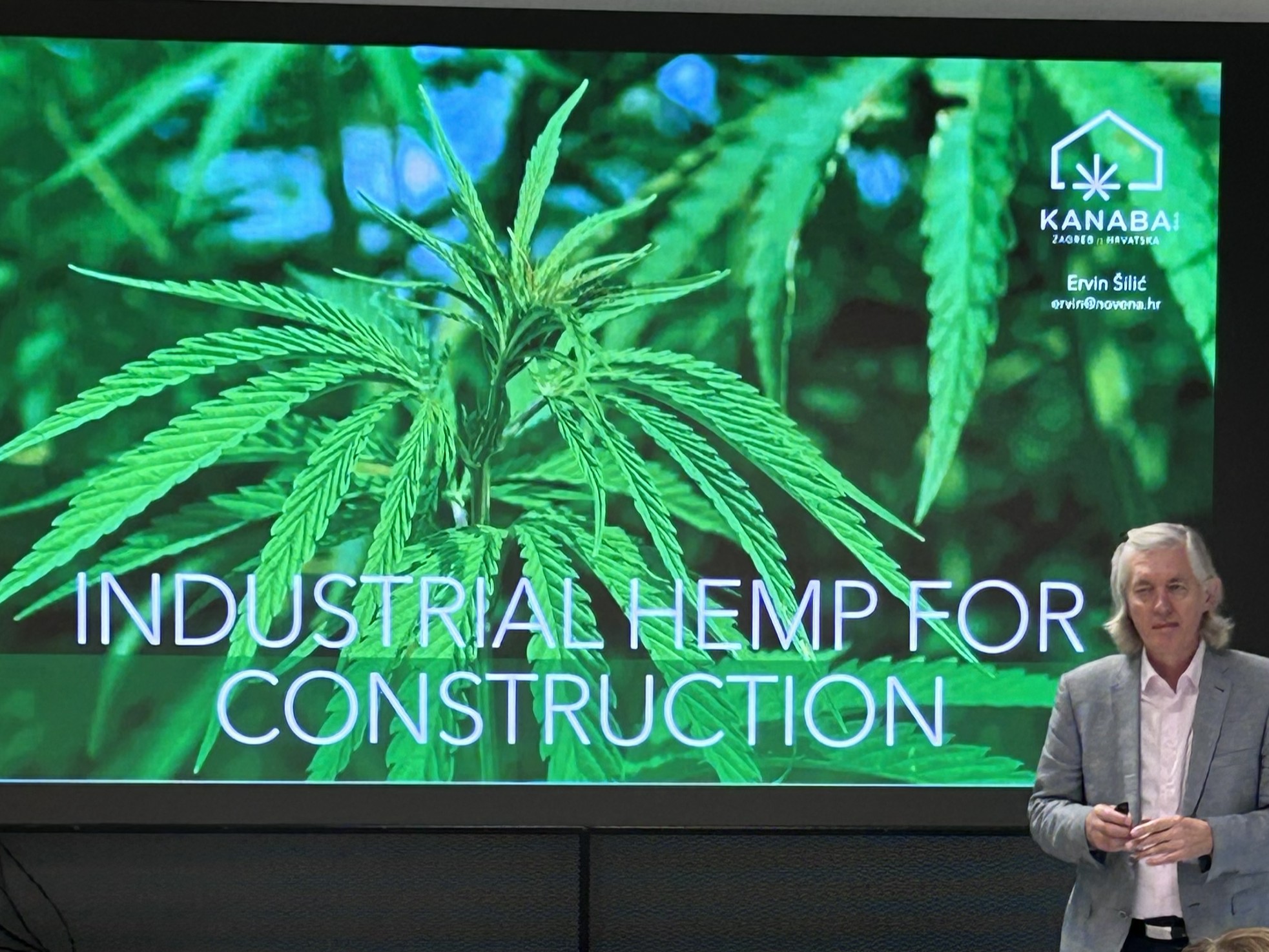
Croatian architect Vesna Šoić examined the wider value chain through experience with hemp cultivation, processing, block production and early building applications. Her contribution connected material innovation with the practical task of establishing local production. Growing a suitable crop, processing it to a consistent specification and supplying the construction market require different capabilities, all of which must work together.
The municipal perspective came from Gordana Mikulčić Krnjaja of the City of Velika Gorica. She presented green infrastructure initiatives encompassing urban green spaces, green roofs and rainwater use. These projects placed the discussion of individual buildings within the broader context of climate adaptation and local development.expert in urban mobility and climate policy.
Looking beyond the building material
The programme also explored how material choices fit into the energy performance of a complete building.
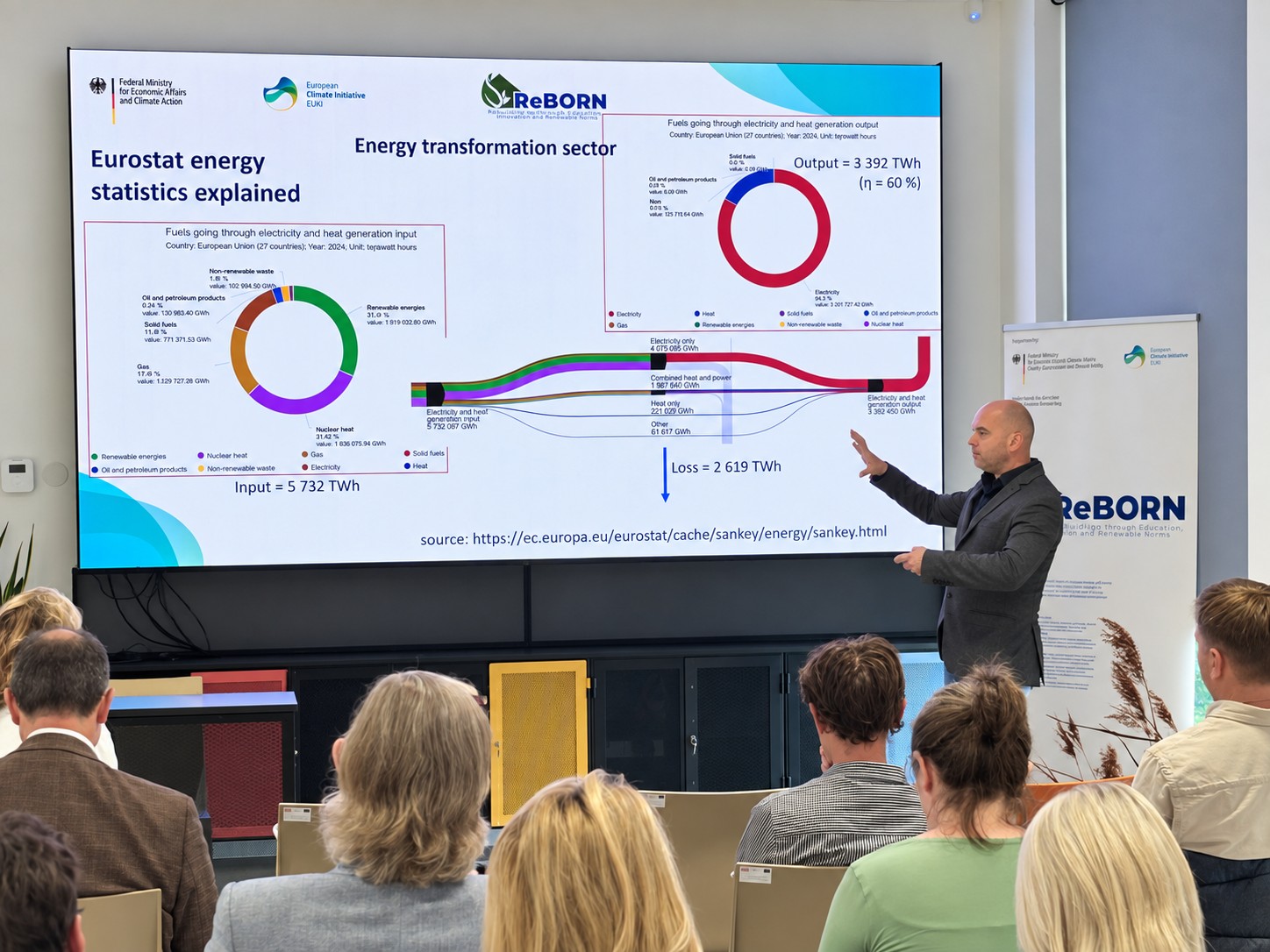
Jakov Baleta discussed the integration of passive solar design, natural heat-storage materials, heat pumps and building services. Luka Perković examined energy modelling and different routes to decarbonising heat and electricity supply. Both contributions highlighted the importance of matching technical solutions to the building and its operating conditions.
Horia Petran addressed the technical, financial and skills-related challenges of moving towards zero-emission buildings. A staged renovation of an older house provided a practical example of how improvements to insulation, windows and energy systems can be coordinated over time.
Marin Binički broadened the assessment to include embodied carbon: the emissions associated with materials and construction over a building’s life cycle. Manufacturing, transport, replacement and eventual dismantling all affect the result, alongside the energy used during occupation.
This provides an important context for ReBORN’s work. Bio-based materials must be assessed for their intended function and over their life cycle. Their contribution depends on performance, durability and production methods, as well as the origin of the raw material.
Explore the presentations: natural building materials and zero-emission buildings
Taking the discussion to Stuttgart
For the Steinbeis Danube Center, the exchange connects material innovation with the practical work of international technology transfer. Comparing European experience helps identify suitable partners, anticipate obstacles to market entry and bring construction expertise into the development process.
The next ReBORN experience exchange will take place in Stuttgart on 14–15 October 2026. The Center will bring project partners together with experts and practitioners from Germany to examine further examples and explore opportunities for cooperation. Visits to selected companies or projects are also planned.
The focus will remain on a concrete question: what needs to happen for promising natural materials to become reliable products that the construction sector can use?
Interested in Climate and Sustainability Projects?
Our Danube Center supports organisations, municipalities and research institutions in developing international partnerships, innovation projects and sustainable transformation initiatives.